
Independent cruise travel guide

Cruise Itineraries Explained.

An itinerary is more than a list of ports. It is the overall rhythm of a voyage: its duration, embarkation point, sea days, calls ashore and the travel needed to move between places. Two cruises of similar length can feel very different, so this guide helps you compare the pace, practicalities and questions worth carrying into future research.

Editorial guidance

Voyage Portals is an independent English-language New Zealand travel information website, not a cruise line or booking operator. This page explains common itinerary shapes rather than listing live sailings, so you can plan and compare future voyages with confidence.

Read the route

Read an itinerary beyond the map

Destinations are a useful starting point, but the shape of the days around them matters just as much. Use these three lenses to compare what a future voyage may feel like in practice.

Ports and time ashore

The number of ports is only one part of the experience. When timings are available, read each arrival and departure carefully: the distance from the terminal and the time available for independent exploration can change what a call feels like. A listed port does not automatically mean there is time for every attraction or excursion, so let the day’s detail guide your expectations.

Read port-day guidance
Sea days and onboard rhythm

Sea days can create room to slow down, use onboard spaces and recover between destinations. A port-heavy plan may feel more active, while a voyage with more open-sea time can leave more space for unstructured days. Neither pace is automatically better; consider whether you enjoy a fuller timetable or value time simply being at sea.

Planning guidance

Start, finish and travel logistics

Embarkation and disembarkation cities affect flights, accommodation, transfer time and the value of leaving contingency around a voyage. This is especially relevant for New Zealand travellers joining overseas itineraries. Map the whole journey, including how you arrive and leave, rather than treating the ship departure as the only travel event.

Planning guidance

The itinerary atlas

Seven ways a voyage can take shape

These broad formats are useful labels, not promises about a particular sailing. Compare the rhythm inside each one, then confirm the current route, timing and inclusions for any option you are considering.

01

Short Cruises

Best to consider when: you want a manageable introduction.

Good for first-time cruisers and quick breaks, short cruises offer a compact way to test the cruise rhythm. Look beyond the category name: check how much of the voyage is spent embarking, disembarking or in port, and decide whether that balance suits the time you have available.

02

7-Night Cruises

Best to consider when: you want a settled week away.

Seven-night cruises are a common balance between sea days and ports. They can give travellers time to settle into onboard routines while still moving through an itinerary. Compare port density and where sea days sit in the sequence rather than assuming every week-long voyage will feel alike.

03

Long Voyages

Best to consider when: time away is part of the appeal.

Long voyages can include more destinations and extended time at sea, making pacing and onboard comfort more consequential. Consider how much consecutive sea time feels comfortable, how the days are distributed and what a longer period away from home means for your own practical arrangements.

04

Trans-Tasman

Travel between New Zealand and Australia.

Trans-Tasman itineraries make the movement between New Zealand and Australia part of the voyage. That makes embarkation and disembarkation planning especially important. Compare the direction, port sequence and the wider journey on either side of the ship, then check current arrangements directly with the relevant provider rather than assuming every crossing follows the same pattern.

Check current ports, timings and embarkation arrangements.

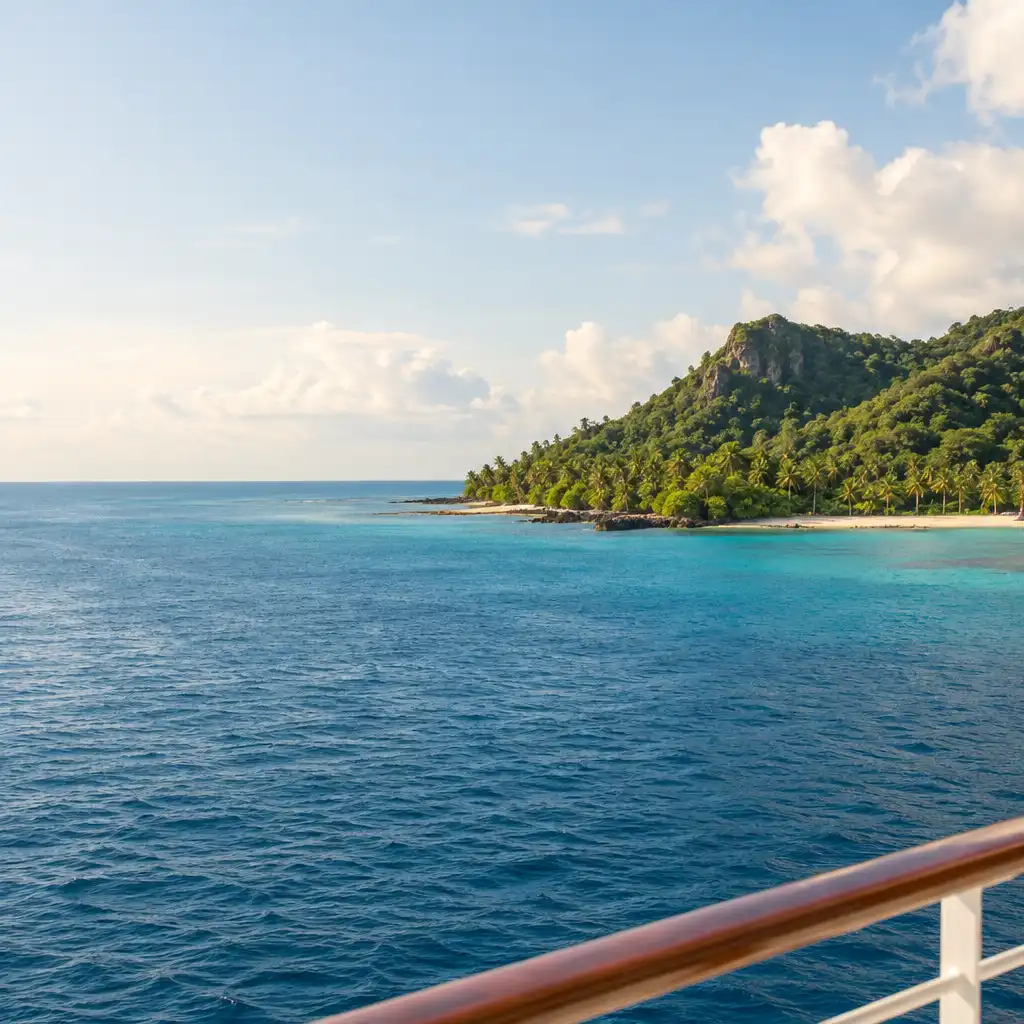
Calm ocean looking towards a lush island shoreline from an unbranded ship deck
Island-focused planning context, not a specific itinerary.
05

South Pacific

Island-focused routes.

South Pacific itineraries are island-focused routes where time ashore, sea-day spacing and the pace of multiple calls can all shape the experience. Consider weather, shore access and the time available at each stop as questions to investigate. Port order and other itinerary details can change, so confirm the current information for a future voyage.

Check current ports, timings and shore arrangements.

06

Repositioning Cruises

Ships move between seasonal regions.

Repositioning cruises occur when ships move between seasonal regions, often creating a different balance of transit days and destination calls from round-trip voyages. Actual routing and inclusion details vary, so look closely at how the journey is structured and confirm the current details rather than assuming a standard pattern.

Check current details before deciding.

07

World / Grand Voyages

Extended multi-region itineraries.

World or grand voyages are extended multi-region itineraries that call for careful thought about time commitment, pacing and the practicalities of a long period away. Examine possible segments, embarkation options and current conditions with the relevant provider, rather than relying on a broad title to explain the lived rhythm.

Compare the rhythm

Compare the rhythm before the destinations

This matrix is editorial guidance designed to help you form useful questions, not a promise of what any future sailing includes. Individual itineraries can differ within the same broad type, so use it to compare rhythm, likely priorities and the details that need checking.

Editorial recommendation

Itinerary rhythm matrix — a practical planning lens, not current operating data.
Itinerary typeTypical rhythmMay suit travellers looking forCheck before deciding
01 Short CruisesCompact and introductory.A quick break or a first look at cruise travel.Current ports, timings, inclusions and embarkation arrangements.
02 7-Night CruisesA common balance of sea days and ports.Time to settle in while keeping a moving itinerary.Current ports, timings, inclusions and embarkation arrangements.
03 Long VoyagesMore destinations with extended time at sea.A slower, longer period away and more onboard rhythm.Current ports, timings, inclusions and embarkation arrangements.
04 Trans-TasmanRegional crossing with journey logistics in view.Travel between New Zealand and Australia.Current ports, timings, inclusions and embarkation arrangements.
05 South PacificIsland-focused with calls and sea-day spacing to compare.A route where time ashore is a key research point.Current ports, timings, inclusions and embarkation arrangements.
06 Repositioning CruisesTransit-focused movement between seasonal regions.A journey where the passage itself matters.Current ports, timings, inclusions and embarkation arrangements.
07 World / Grand VoyagesExtended multi-region and long-form.A substantial time commitment across different regions.Current ports, timings, inclusions and embarkation arrangements.

New Zealand planning context

Start and finish points are part of the voyage

Editorial recommendation

Plan around the embarkation point

The city where a voyage begins and ends is part of the itinerary decision, particularly when flights, pre-cruise accommodation or onward travel may be involved. Map the whole journey rather than treating the ship departure as the only travel event. For New Zealand travellers, that broader view can make it easier to compare future options in a way that matches available time and travel preferences.

Treat crossings as part of the experience

Travel between New Zealand and Australia, and island-focused regional travel, can be an itinerary rhythm question rather than simply a transport link. Compare sea time, port order and what changing weather or port conditions could mean for a future voyage. Confirm current schedules, facilities, prices, itineraries and inclusions with the cruise line or authorised travel provider.

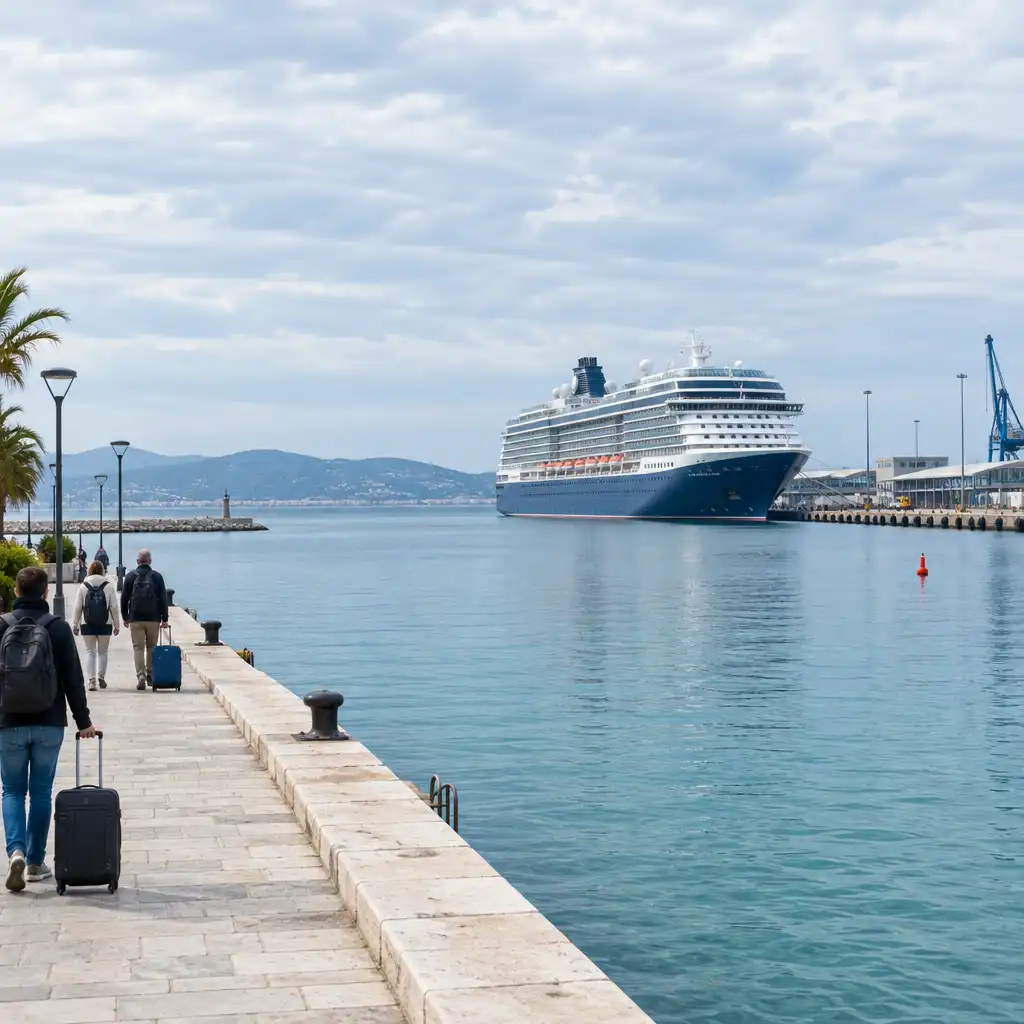
General harbour arrival scene with a distant unbranded cruise ship and terminal
A general harbour-arrival scene, not proof of a particular itinerary.

Port-day detail

A port day is not a fixed promise

Editorial guidance

Read the detail behind each call

A listed destination is only the start of the research. Timing, docking or tender arrangements where applicable, distance to sights and the pace of independent exploration can alter the day. Use official current itinerary materials for voyage-specific detail, and treat the headline list of ports as an invitation to ask better questions rather than a complete picture of access ashore.

Shore time and excursions

Compare the time you want ashore with the time a future itinerary actually allows, then explore destination guidance separately. Independent plans should account for the return-to-ship timing supplied for the specific voyage; do not assume a particular excursion is available.

VIEW DESTINATIONS

Choose your pace

Choose your preferred pace

There is no single best itinerary type. These prompts translate personal preferences into comparison questions, while keeping the focus on the detail of a future voyage.

Editorial recommendation

I want a first cruise to feel manageable

A compact format such as Short Cruises can be good for first-time cruisers and quick breaks. You might also compare a 7-Night Cruise, a common balance between sea days and ports. In either case, compare the actual schedule rather than relying on the category name alone: embarkation, sea-day placement and port timing all shape how manageable it feels.

Editorial recommendation

I want destination variety

Compare Long Voyages, island-focused South Pacific itineraries and extended multi-region World / Grand Voyages. Actual variety depends on the particular itinerary, so check consecutive sea days and port timing alongside the destination list.

Check current details

I want the journey between regions to matter too

Trans-Tasman travel between New Zealand and Australia, and Repositioning Cruises where ships move between seasonal regions, can place transit at the centre of the experience. Confirm current details rather than assuming every voyage follows the same pattern.

Your comparison notes

A checklist for comparing a future voyage

Use these questions when you begin looking at individual itineraries. They keep the research focused on the complete journey, not only the destination names.

  1. 1

    Does the voyage length fit my available time?

    How does the overall duration sit alongside the time needed before and after the ship journey?

  2. 2

    Where does the voyage start and finish?

    What travel, accommodation or onward arrangements form part of the complete journey?

  3. 3

    What is the port and sea-day pattern?

    Does the sequence match your interest in destinations, unstructured time and a comfortable pace?

  1. 4

    Are the latest dates and timings clear?

    Have you checked the current itinerary rather than relying on an older summary or broad route label?

  2. 5

    What is included for this specific voyage?

    Check current inclusion details and any cabin or ship information relevant to the time you expect to spend onboard.

  3. 6

    What shore arrangements need research?

    Consider the port-day detail and any shore plans you are considering, using current provider information for confirmation.

Once you have narrowed the route, continue with practical editorial reading about the ship, cabin, destinations and time on board.