Independent cruise travel guide

Cruising from and around New Zealand

Cruising from New Zealand can mean an Auckland departure, a coastal journey close to home, a Tasman crossing, a South Pacific escape or an Australia-linked holiday. This independent guide helps you compare the rhythm of each voyage, plan for ports and scenic days, and ask better booking-specific questions.

Start with the journey shape. Port sequence, sea days and time ashore can matter as much as the distance travelled.

Plan with current documents. Auckland embarkation, Fiordland, port days and connections all depend on the details supplied for your voyage.

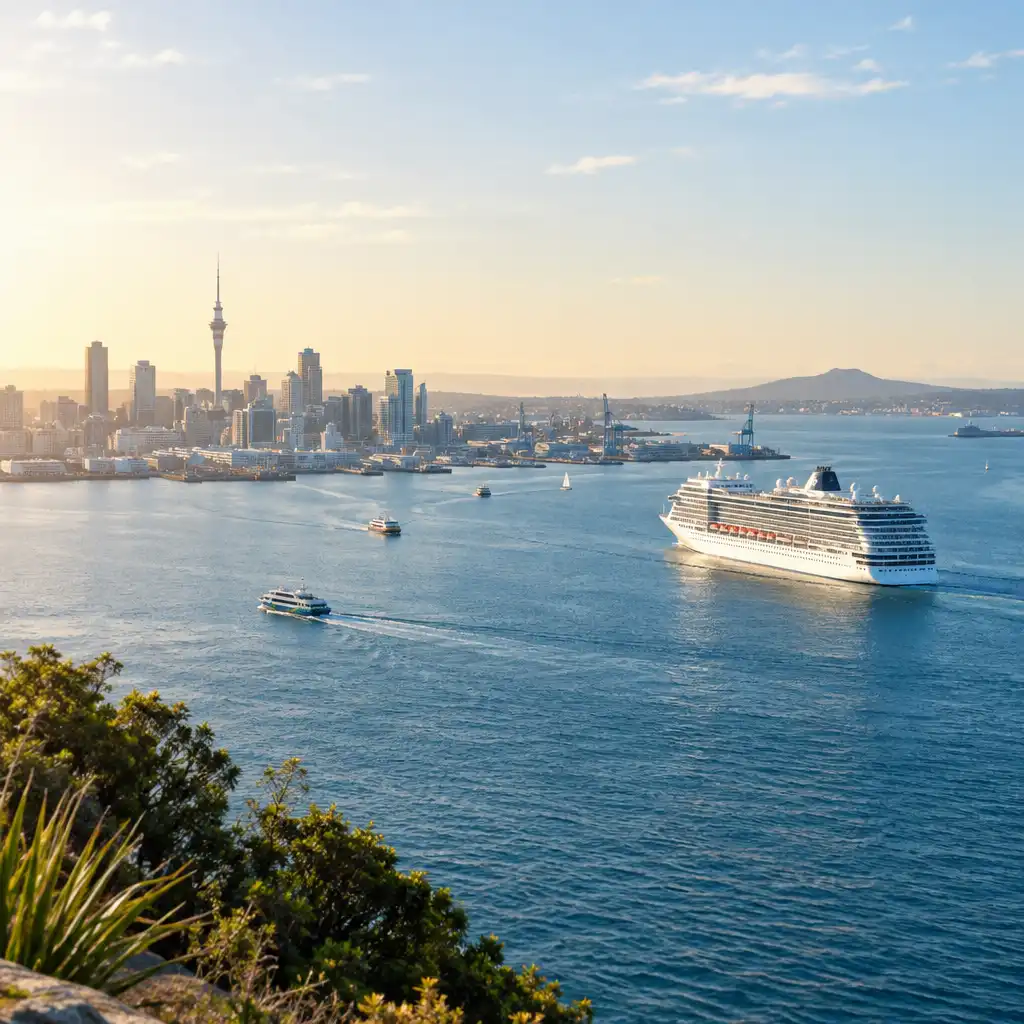
A cruise vessel in Auckland harbour with city shoreline beyond
An Auckland harbour view sets the context, not a promise of a current sailing.

Route key

Choose the shape of your voyage

These are planning patterns, not live sailing listings. Use them to recognise the kind of experience you want, then compare the current itinerary and booking information for any voyage you are considering.

Auckland departures

Auckland is a useful starting context when your holiday begins in New Zealand. Focus first on the practical handoff from city to terminal rather than assumed calendars: the named terminal, check-in window, transfer plan and luggage directions should come from your booking documents.

What to confirm: terminal location, arrival instructions and provider communications.

Plan embarkation

New Zealand coastal itineraries

Coastal cruising brings several regions into one journey, but the experience is shaped by the sequence of calls and the pace of each day ashore. Think beyond distance: a varied port rhythm and time between ports can define the voyage.

Planning emphasis: compare the current port sequence and the time supplied for each call.

Understand coastal days

Trans-Tasman crossings

A crossing between New Zealand and Australia has a sea-day rhythm alongside destination time. Consider how you feel about time on the water, changing conditions and booking-specific border or documentation instructions for your circumstances.

Practical note: review the current voyage documents rather than treating a route pattern as a fixed route.

Read about crossings

South Pacific voyages

South Pacific cruising is often destination-led, with the journey shaped by weather, sea conditions, local access and port arrangements. Flexible expectations help: read the itinerary notes for the departure you are considering before making plans around a day ashore.

Planning cue: treat sequence, access and inclusions as changeable details.

Plan for variables

Australia connections

An Australia-linked voyage can extend a New Zealand cruise holiday, especially where travel is arranged independently before or after sailing. Build plans around the booked itinerary and leave sensible room for connections instead of assuming a universal transfer or arrival pattern.

What to confirm: endpoints, timing, accommodation and transport arrangements.

Consider connections

Planning guidance

Auckland as the start of the journey

A calm embarkation day begins with the information attached to your own booking. These steps are editorial guidance for organising the city-to-terminal handoff, not terminal-specific procedure.

  1. Plan the city-to-terminal handoff

    Work from the booking documents for the exact terminal, arrival window and permitted hand-luggage guidance, then arrange your local journey around those instructions. Keep travel documents and information about any essential medication readily accessible, and use the provider’s directions rather than a generic terminal routine.

  2. Editorial recommendation

    Allow time around embarkation

    Give yourself practical flexibility before embarkation, particularly when arriving from elsewhere in New Zealand or overseas. Disruptions, baggage arrangements and check-in windows vary by journey, so this is not a fixed buffer; it is a reason to avoid tightly chained independent plans.

  3. Check the details that affect your day

    Requirements differ by journey and traveller. Before leaving for the terminal, review the latest communication from your provider and seek authoritative guidance for personal circumstances that need it.

    DocumentationTerminal instructionsBoarding timeLuggage directionsAccessibility needsProvider updates

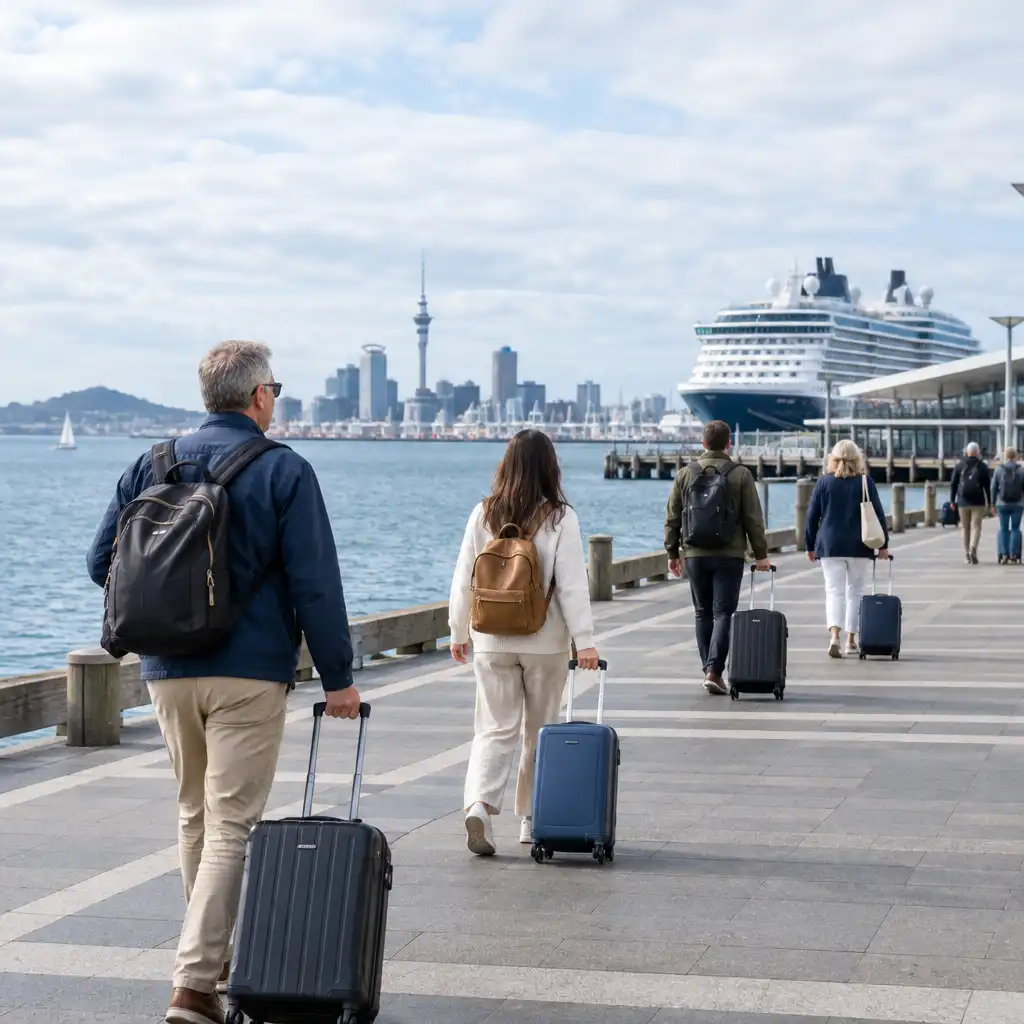
Travellers walking with luggage along an Auckland waterfront approach
A waterfront arrival scene, not a depiction of a particular terminal process.

Destination pace

New Zealand coastal days: ports and pace

Coastal cruising is more than a checklist of destinations. It is a changing pattern of shore time, sea views and shipboard intervals, with each port day shaped by the itinerary supplied for that voyage.

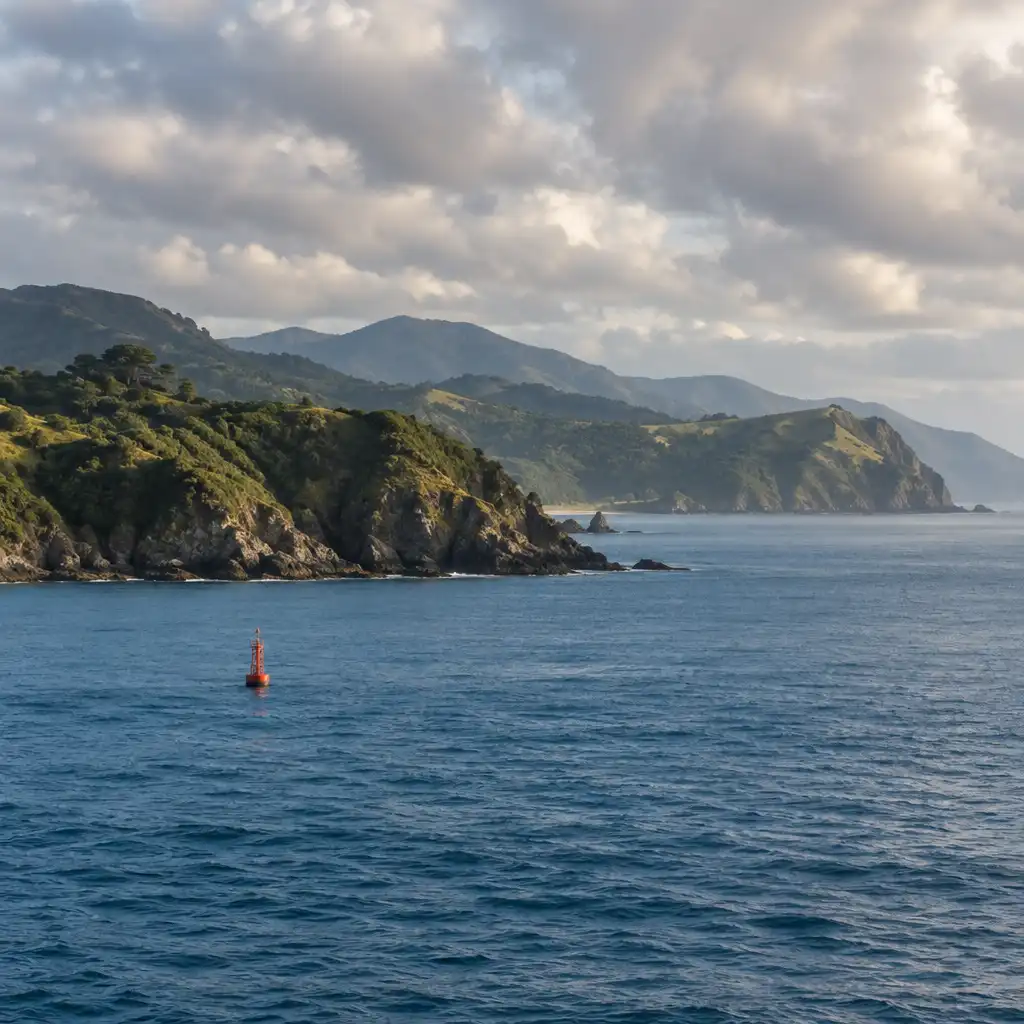
Rugged green New Zealand coastline beyond calm water
Coastline and open water are part of the journey between calls.

A port call is a limited window, not a full destination stay

Time ashore is shaped by the vessel’s schedule, local arrangements and the time needed to return. Once the day’s timing is supplied, choose one or two priorities rather than trying to recreate a longer stay. Arrival order, duration and even a port call itself can change, so read the current information closely.

Editorial recommendation

Match shore plans to your travel style

Independent wandering, local culture, landscape time and organised shore activity are useful ways to think about a day, not promises of availability. Consider mobility, weather, companions and the return timing supplied for your voyage before choosing how much to plan.

NeighbourhoodCultureLandscapeLocal meal

Leave room for the coast between ports

A coastal itinerary also unfolds from the water. Use the changing shoreline, any orientation material available to you or a simple journal to notice the transition between regions. Weather can change what is visible, which is part of the lived experience rather than a failure of the day.

Route context

Crossing the Tasman and connecting with Australia

A sea crossing and a land-based connection ask for different kinds of planning. Both benefit from treating your booking documents as the source for current details.

The crossing changes the rhythm

A trans-Tasman journey is a voyage pattern where time at sea can be as meaningful as destination time. Consider your comfort with sea days and changing weather, and avoid assuming a particular route or operating pattern. Your specific itinerary and provider communications remain the place to check the current arrangement.

Editorial recommendation

Connections deserve their own plan

Australia-linked travel can include independently arranged transport before or after a cruise, making itinerary documents and practical timing especially important. Check your booking-specific arrival and departure information, and build accommodation or transport plans around it rather than relying on a fixed transfer buffer or airline rule.

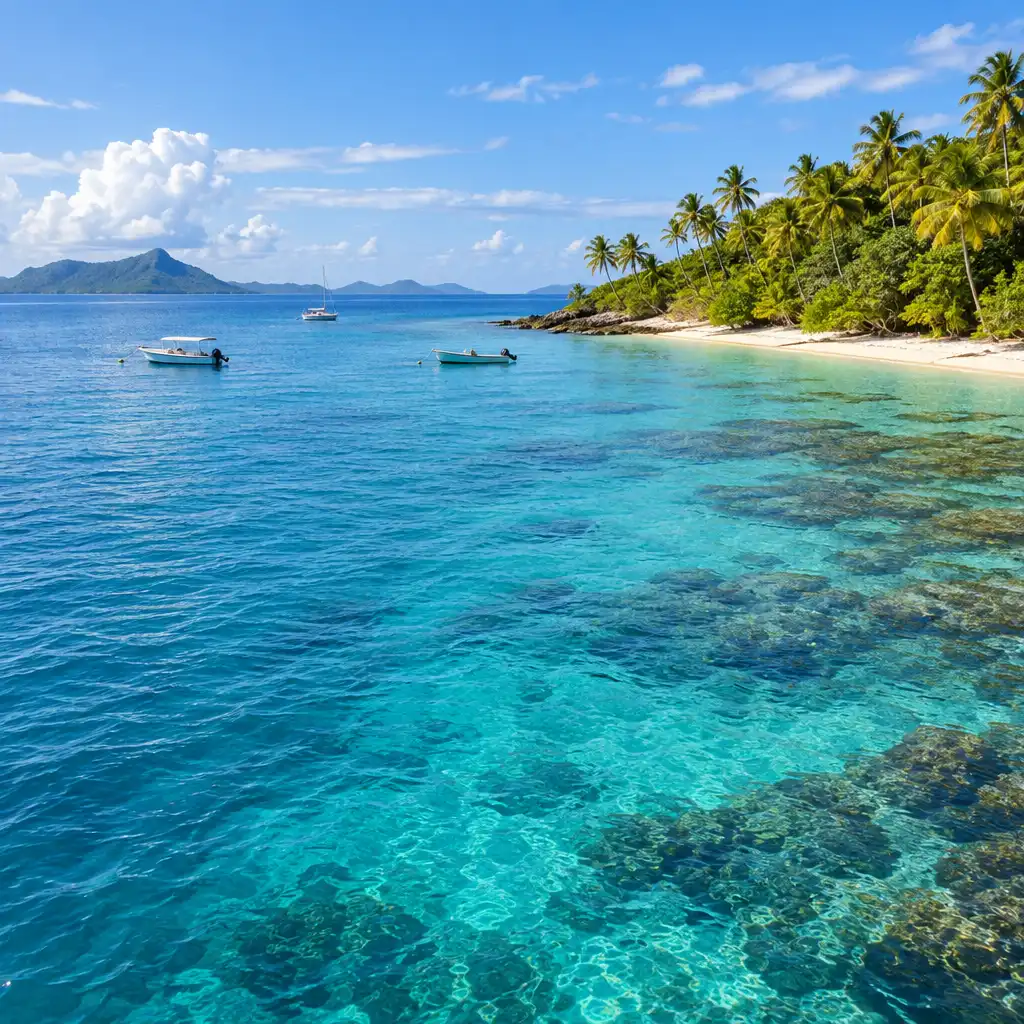
Tropical water looking toward a quiet South Pacific island shoreline
A destination-facing scene, not a representation of a specific call or excursion.

Destination guidance

South Pacific voyages: plan for variables

Editorial guidance

South Pacific voyages often appeal because of the destination mix, but the actual sequence, access arrangements and inclusions need checking for the departure you are considering. Let the destination idea inspire your research, then read the current itinerary notes before building expectations around a particular day.

Build flexibility into expectations

Weather, sea conditions and port operations can influence a journey that depends on coastal or island access. Approach those variables calmly and leave room for the day to unfold differently from an early plan. This is editorial guidance, not a prediction about any specific voyage.

Read what your fare and day plan actually include

Separate destination inspiration from the booking-specific inclusions, timing, shore arrangements and provider terms you receive. Prices and inclusions can change, so confirm the current detail directly with the cruise line or authorised travel provider before booking.

Editorial recommendation

Choose a pace that leaves room for the voyage

Consider whether you want every port day fully programmed or would value unstructured time. Energy, companions and personal interests can all shape that choice. It does not depend on assuming any particular ship facility or programme.

Scenic route

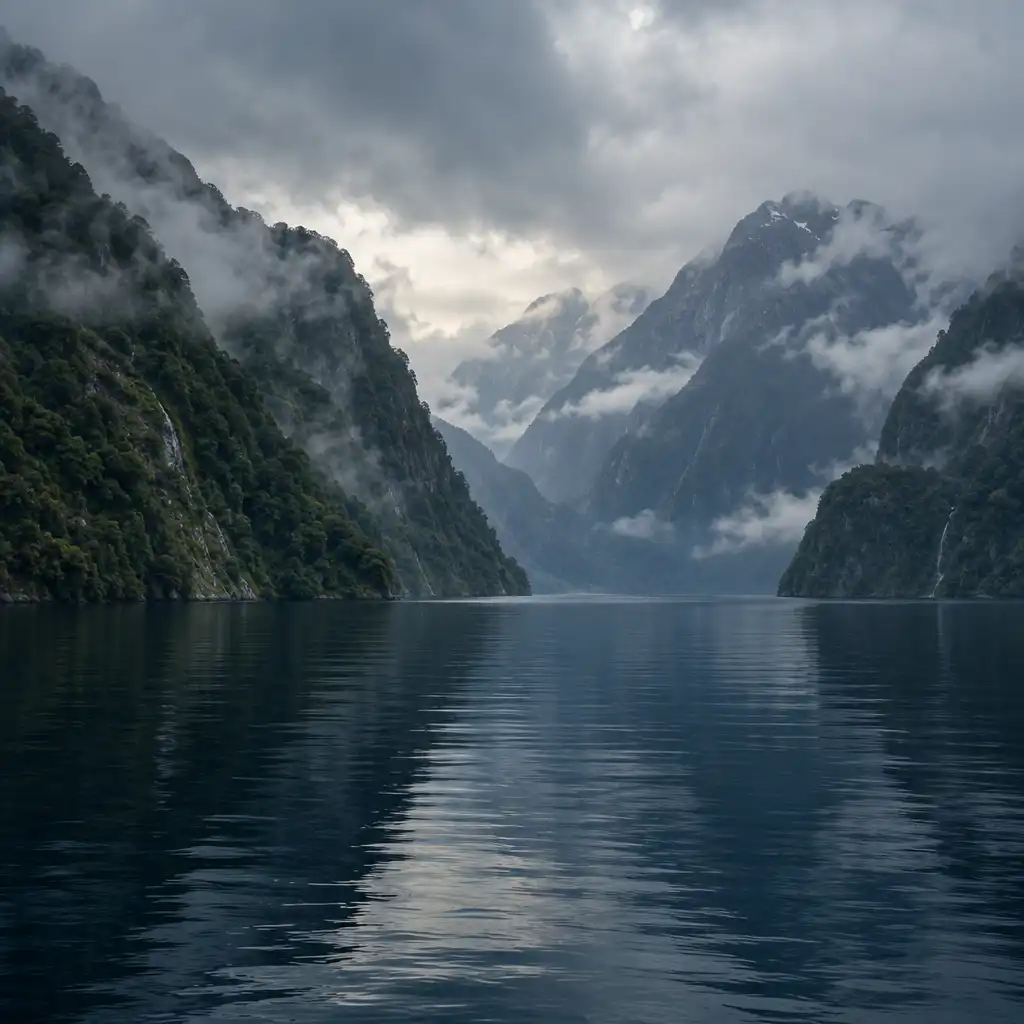
Scenic cruising and Fiordland

Dark water and steep forested slopes in a misty New Zealand fiord
Fiordland is presented here as a scenic-planning context, not a promised route or viewing outcome.

A scenic day is experienced differently from a port day

Scenic cruising centres on observing landscape from the voyage itself rather than assuming a disembarkation or excursion programme. Read the itinerary language carefully: access and operational detail depend on the specific voyage and conditions, and an itinerary can change.

Editorial guidance

Fiordland invites a slower kind of attention

Fiordland can be a scenic highlight because changing light, weather and landscape observation make the passage itself meaningful. Visitors may encounter very different conditions. Keep expectations open and do not treat an editorial description as a guarantee of route, sequence or view.

Planning guidance

Make port days work for you

A useful port day has enough structure to feel grounded and enough room to respond to the actual timing, local conditions and energy of your group.

Start with the actual time ashore

Base plans on the confirmed arrival, return and all-aboard information supplied for your sailing, not on estimated online examples. Itineraries can change, so use current provider communications as the factual reference for the day.

Editorial recommendation

Choose one anchor experience

Select one meaningful priority, then allow room for orientation, transport and unplanned moments. A landscape, neighbourhood, cultural stop or local meal can anchor the day without implying any specific activity is available.

Check the fit for your group

Consider mobility, interests, energy and companions when choosing between independent exploration and organised activity. Confirm accessibility and activity details with the relevant provider rather than relying on general descriptions.

Editorial recommendation

Keep the return plan simple

Understand the route back, retain booking communications and leave practical margin for returning. There is no universal time buffer: the booked voyage’s current instructions take precedence over general travel habits.

Route planning

A practical voyage-planning sequence

Turn route inspiration into a comparison process before relying on booking-specific information. This sequence helps you ask focused questions without turning general guidance into a sales funnel.

1

Start with the journey shape

Decide whether local coastal time, a Tasman crossing, South Pacific destinations, Australia connections or scenic cruising matters most. A clear priority makes it easier to compare itineraries because you know which part of the journey should carry the most weight.

Return to route patterns
2

Then compare ship and cabin context

Consider the kind of ship experience and cabin location or category that suits your preferences, then use dedicated guides to understand the language you encounter. General guides can explain concepts; they do not confirm the particulars of a voyage you are considering.

3

Finish with the booking-specific details

Make the final comparison with the provider’s current itinerary, fare inclusions, conditions and embarkation instructions. If a monetary example is ever relevant, it should be shown in NZD; no general guide can confirm the current fare or included experience.

Factual confirmation

Before you choose: confirmation checklist

Editorial guidance can help you compare the character of a voyage. The current, booking-specific facts remain your responsibility to confirm with the relevant provider.

Current-detail prompts

Confirm the current voyage details

This is a confirmation list, not a claim that this page has verified a particular journey. Before relying on a plan, check the provider’s current information for:

  • Dates, itinerary and port sequence
  • Embarkation point, time and instructions
  • Ship details relevant to your booking
  • Fare inclusions and any additional terms
  • Documentation requirements for your circumstances
  • Latest provider communications and changes

Use editorial guidance for the questions it can answer

Voyage Portals is an independent English-language New Zealand travel information website. We can help you understand cruise concepts, compare voyage styles and prepare practical questions, but we are not a cruise line or booking operator and cannot replace current provider information.

Continue with Cruise Itineraries Explained, or Contact Us with a general editorial enquiry.

Cruise schedules, ship facilities, prices, itineraries and inclusions can change. Travellers should confirm current information directly with the cruise line or authorised travel provider before booking.